
How Much Storage Space Do You Really Need on a Bicycle?
How Much Storage Space Do You Really Need on a Bicycle?
Content Type: Expert Cycling Guide
Category: Bike Bags & Cycling Systems Reading Time: 6–7 minutes
Summary 
◉ The right amount of bike storage depends on how you actually ride. A short city trip may need only 1–3 liters, while a full-day cycling adventure can require around 3–10 liters. Weekend and multi-day bikepacking trips usually need more capacity for clothing, food, sleeping gear, and tools. The goal is not to maximize storage—it is to carry what you genuinely need without making your bicycle unnecessarily heavy.
◉ Bigger Is Not Always Better
It is tempting to choose the biggest bike bag available. More space sounds useful.
You can carry another jacket, more food, extra tools, and several things you might possibly need.
But something interesting happens when cyclists have too much storage. They fill it.
◉ Suddenly a simple afternoon ride requires enough equipment for a small expedition.
Good bicycle storage works differently. Start with the ride. Then choose the capacity. 1–3 Liters: Everyday Cycling
For short rides around town, surprisingly little storage may be necessary.
◉ A compact frame bag, top tube bag, stem bag, or small handlebar bag can carry everyday essentials without changing the character of your bicycle.
Think about what you actually use:
Phone. Wallet. Keys. Multitool. Spare tube. Small snack. Perhaps a lightweight windbreaker.
For commuting, coffee rides, and relaxed evening cycling, a small bike bag can often replace stuffed pockets or a backpack.
3–10 Liters: Day Adventures
◉ Once rides become longer, storage requirements naturally increase.
A full day away from home might require extra food, additional water, a rain jacket, repair equipment, a power bank, and another clothing layer.
Instead of choosing one enormous bag, distributing these items between several smaller bags can be more practical.
◉ A frame bag can carry tools and dense essentials. A handlebar bag can hold clothing and food.
A stem or top tube bag keeps frequently used items close to your hands.
Together they create a compact cycling system without making the bicycle feel overloaded.
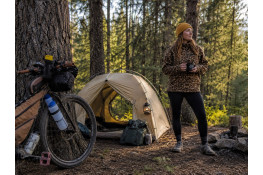
◉ Weekend Trips Need Different Thinking An overnight adventure introduces an entirely new category of equipment.
Now you may need: Sleeping equipment. Extra clothing. More food. Personal essentials. Additional repair supplies. Camping equipment, depending on your route.
At this point, total capacity matters more—but organization matters just as much. A combination of frame, handlebar, seat, rack, or pannier storage can distribute equipment across the bicycle rather than concentrating everything in one location.
Multi-Day Bikepacking Requires Flexibility
There is no universal number of liters for a multi-day trip. A minimalist rider sleeping in accommodations may carry significantly less than someone camping independently.
Climate changes everything too. Warm summer trips require less clothing. Cold or rainy conditions can require considerably more storage. Water availability also matters.
A remote route may require additional carrying capacity even when the rest of your setup is extremely minimal. This is why copying another cyclist's exact setup rarely works perfectly.
Their adventure is not your adventure. Think About What You Carry Most Often Before buying another bike bag, look at your actual riding habits.
Do you mostly commute? Ride gravel on weekends? Take family trips? Go bikepacking several times each year?
Your everyday bicycle should work beautifully for the rides you actually take—not only for the biggest adventure you imagine taking someday.
This approach can also save money. Instead of purchasing an oversized setup immediately, start with the storage you use regularly and expand when your adventures genuinely require it.
Build Storage as a System One small bag can become the beginning.
Later, you might add a handlebar bag. Then a stem bag.
Perhaps eventually a larger frame bag or panniers.
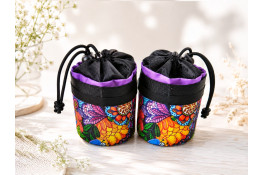
At LESENOK, this is the idea behind our handmade Colorful Cycling Systems. Different bike bags can work independently or together, allowing cyclists to build storage around their bicycle, riding style, and changing adventures.
With more than 100 models, over 50 colors, and custom sizing options, the system does not have to be identical for every rider.
Because cyclists are not identical either. How Much Space Do You Actually Need? For most cyclists, the answer is simple:
Enough space for the ride you are taking. Not the largest possible capacity. Not every bag your bicycle can physically hold.
Just enough space to carry your essentials comfortably and safely.
When your adventures become bigger, your cycling system can grow with them. That is often much smarter than starting with everything.
Because freedom on a bicycle does not come from carrying your entire home. Sometimes it comes from discovering how little you really need.
Short Summary
Bike storage capacity should match your riding style. Small bags work well for everyday rides, while day trips and bikepacking adventures require progressively more space. Build your cycling system around what you actually carry.
About LESENOK
LESENOK creates handmade Colorful Cycling Systems for commuting, gravel riding, touring, and bikepacking, with more than 100 bike bag models, over 50 colors, and custom sizing options.
How can we help?