
Car + Bike Adventures: How to Plan a Road Trip With Your Bicycle
Car + Bike Adventures: How to Plan a Road Trip With Your Bicycle
Content Type: Expert Cycling Travel Guide
Category: Cycling Travel & Road Trips
Reading Time: 5–6 minutes
Summary 
A car and bike adventure combines the long-distance convenience of driving with the freedom of exploring destinations by bicycle. To plan a successful cycling road trip, choose the riding destination first, decide how to transport the bicycle safely, research parking, prepare routes offline, organize bike bags before departure, and keep additional food, water, clothing, tools, and recovery gear in the car. The vehicle can become a practical base camp while the bicycle takes you beyond the parking lot.
Some cycling adventures should begin directly outside your front door.
Others are waiting 100 miles away.
A remote gravel road, mountain trail, coastal route, national forest, or beautiful small town might be difficult to reach entirely by bicycle.
That is where car + bike travel becomes interesting.
Drive to the beginning.
Then let the bicycle take over.
Why Combine a Road Trip With Cycling?
Traveling by car dramatically expands the number of places available for cycling.
Instead of repeatedly exploring routes around home, you can drive to a completely different landscape and spend the day discovering it at bicycle speed.
This works particularly well for weekend adventures when vacation time is limited.
Drive on Friday evening, ride somewhere beautiful on Saturday, explore another route on Sunday morning, and return home afterward.
One weekend suddenly feels much bigger.
Choose the Cycling Route Before Planning the Drive
Start with the place you actually want to ride.
Research distance, elevation, road surfaces, water availability, traffic, weather, and possible places to stop.
Then determine where the car fits into the plan.
This prevents a common problem: choosing an interesting driving destination and discovering afterward that the surrounding cycling routes are unsuitable.
For remote areas, download maps and navigation information before departure.
Mobile coverage should never be your only navigation plan.
Decide How to Transport Your Bicycle
Depending on the vehicle, bicycles can travel inside the car or on an external bicycle rack.
Carrying the bicycle inside can protect it from weather and road debris, but it reduces luggage and passenger space.
External racks provide more interior room but require secure installation and careful bicycle attachment.
Before a long journey, check every attachment point rather than assuming yesterday's setup is still perfect.
After the first section of driving, checking the bicycle again takes only a minute.
Organize Your Car Like a Cycling Base Camp
One of the biggest advantages of combining car travel with cycling is that everything does not need to travel on the bicycle.
Keep additional water, food, comfortable shoes, dry clothing, larger tools, chargers, and recovery supplies in the vehicle.
Separate these items from the equipment you need during the ride.
When you arrive, your helmet, shoes, bottles, cycling clothes, navigation equipment, and bike bags should be easy to find.
Nobody wants to unpack the entire car just to discover where the gloves went.
Prepare Your Bike Bags Before You Arrive
Whenever possible, organize your cycling luggage at home.
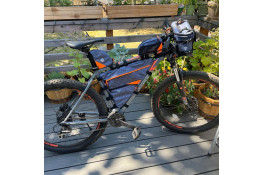
A frame bag can carry tools and compact essentials. A handlebar bag can hold lightweight clothing or food. A top tube bag or feeder keeps frequently needed items accessible.
Longer rides may require saddle bags, trunk bags, or panniers.
Packing beforehand also allows you to test the loaded bicycle instead of discovering an attachment problem beside a remote trailhead.
Your car carries the extras.
Your bike carries the adventure.
Choose Parking Carefully Before Starting Your Ride
Where you leave the vehicle matters.
Research whether parking is legal, whether there are time restrictions, and whether overnight parking is permitted when necessary.
Avoid leaving valuable equipment clearly visible inside the vehicle.
For remote locations, tell someone where you plan to ride and approximately when you expect to return.
And remember to design the cycling route around one important fact:
Your car will still be where you left it.
A point-to-point ride requires a transportation plan. A loop naturally returns you to the starting location
Carry Enough Repair Equipment Anyway
Having a car nearby can create a false sense of security.
If the vehicle is twenty miles away when a tire punctures, it is not particularly useful.
Carry the basic tools and repair equipment necessary for the route.
The bicycle should remain reasonably self-sufficient while you are riding, even when the car contains a larger collection of tools and spare equipment.
Think of the vehicle as your base camp rather than your emergency mechanic.
Keep Something Comfortable for the Return
This small detail can transform the end of a long ride.
Leave dry clothes, comfortable footwear, additional water, and something good to eat inside the car.
After hours of cycling through heat, dust, wind, or rain, changing into clean clothing can feel like a luxury hotel.
It also means unnecessary comfort items do not occupy valuable space inside your bike bags.
Carry what the ride needs.
Leave what the finish needs.
One Car Can Unlock Multiple Cycling Adventures
A road trip does not have to revolve around one bicycle route.
The car can become a moving base between several cycling destinations.
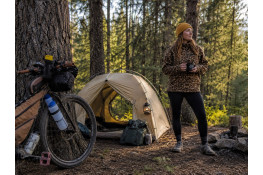
Ride a gravel loop today, drive to another region afterward, camp or stay overnight, then explore a completely different landscape tomorrow.
This combination creates an interesting balance.
The car provides range and convenience.
The bicycle provides connection to the place.
Build a Cycling System That Travels With You
At LESENOK, we create handmade Colorful Cycling Systems for riders whose bicycles have more than one purpose.
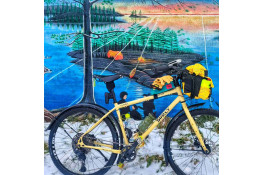
With more than 100 bike bag models, 50+ colors, and selected custom-size options, cyclists can combine frame bags, handlebar bags, feeders, saddle bags, trunk bags, and panniers for different journeys.
A short ride from the car might require only a compact setup.
A longer route tomorrow might require considerably more capacity.
That flexibility is exactly what makes car + bike adventures so interesting.
Drive farther. Ride slower. Discover more.
Short Summary
A cycling road trip combines car travel with bicycle exploration. Choose the cycling route first, transport the bicycle securely, research parking, prepare bike bags before departure, carry essential repair equipment, and use the vehicle as a base for additional food, water, clothing, tools, and recovery gear.
About LESENOK
LESENOK creates handmade colorful cycling bags and modular storage systems for commuting, gravel riding, touring, road trips, and bikepacking. With 100+ models, 50+ colors, and selected custom-size
How can we help?