
Bike Bags for Folding Bikes: How to Carry More on a Compact Bicycle
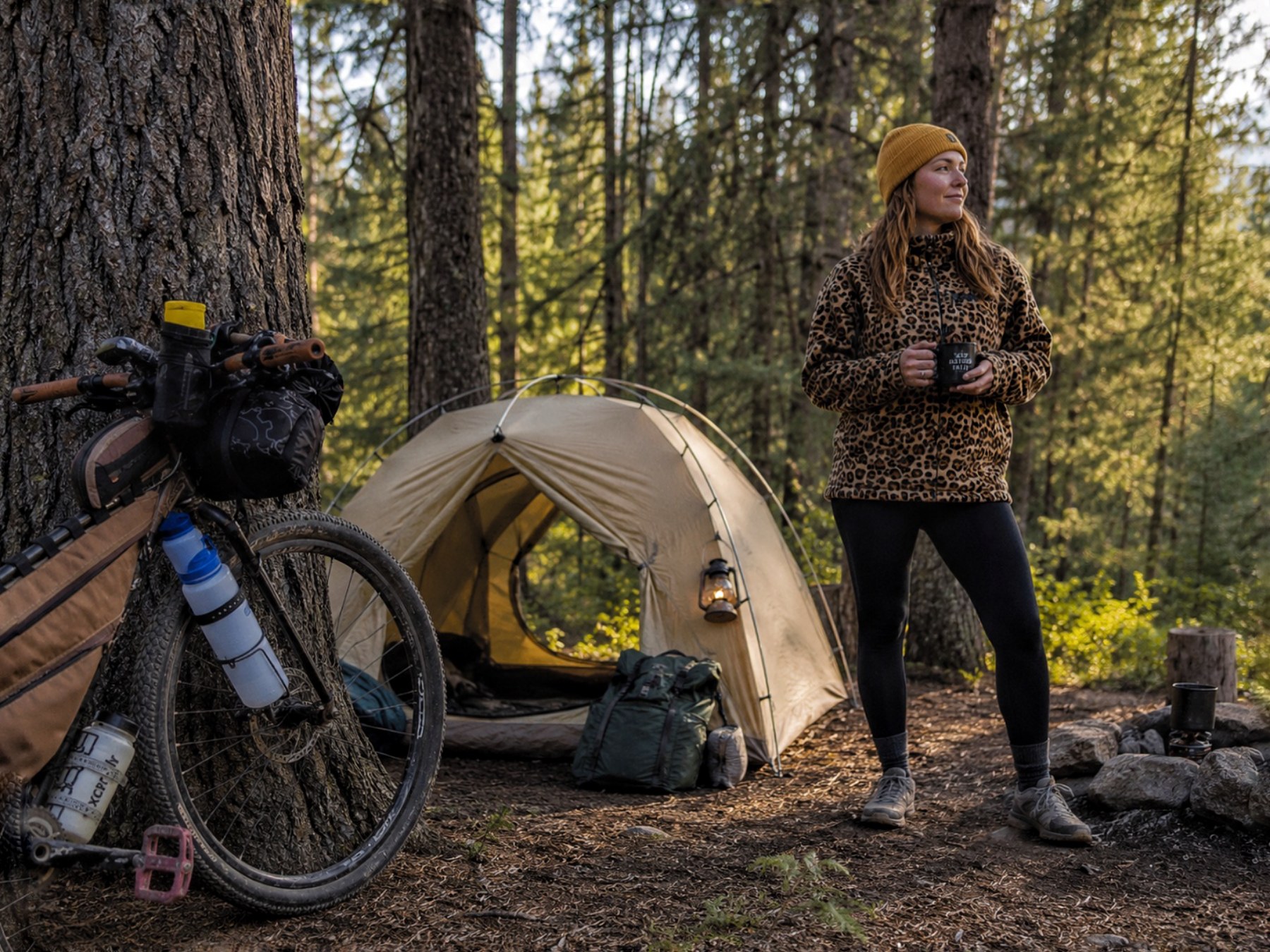
Bike Bags for Folding Bikes: How to Carry More on a Compact Bicycle
Summary
Folding bikes have limited frame space, so choosing the right bike bags requires a different approach than storage for standard bicycles. Compact handlebar bags, rear rack bags, small frame bags, stem bags, and removable organizers can increase carrying capacity without interfering with folding mechanisms, cables, wheels, or steering. A modular storage system allows folding-bike riders to adapt their luggage for commuting, city riding, travel, and everyday errands.
Folding bicycles solve one of the biggest problems of urban cycling: they make a bicycle easier to store, transport, and combine with other forms of travel. Their compact geometry, however, also means there is considerably less traditional space for bike bags.
That does not mean folding-bike riders have to carry everything in a backpack. The solution is simply to think differently about bicycle storage.
Folding Bikes Need a Different Storage Strategy
Traditional bicycles often provide a large frame triangle where a frame bag can easily be installed. Folding bicycles may have unusual tube shapes, smaller wheels, low frames, hinges, and moving sections that must remain completely accessible.
Before choosing any bag, identify which parts of the bicycle move during folding. Check cables, locking mechanisms, seatpost movement, wheel clearance, and the space required when the bicycle is fully folded.
A useful bag should add storage without compromising the main reason you chose a folding bicycle: convenience.
Handlebar Bags Can Provide Easy Everyday Storage
A compact handlebar bag is one of the simplest ways to add carrying capacity to many folding bicycles. It can hold a wallet, phone, keys, snacks, gloves, sunglasses, or other everyday essentials.
Because folding-bike handlebars and stems can differ significantly from standard bicycles, attachment points should always be checked before choosing a bag.
The bag should remain stable while riding and should not interfere with brake cables, steering, lights, or the folding process.
Rear Rack Bags Can Add Serious Capacity
Many folding bicycles can be equipped with a rear rack, creating useful space that does not depend on the small frame triangle.
A trunk bike bag can work well for commuting, shopping, work essentials, or additional clothing. Riders who need more capacity may also consider compatible pannier-style storage.
Rear storage is particularly useful when the bicycle frame itself offers almost no practical mounting area.
Small Frame Bags Can Use Unexpected Spaces
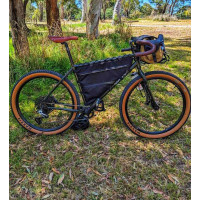
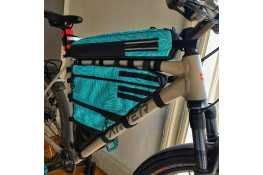
Not every folding bicycle can accommodate a traditional frame bag, but some models have small areas where compact custom storage can work extremely well.
A carefully sized bag may fit along a tube or inside a limited section of the frame while keeping hinges and moving components accessible.
This is where custom sizing can become especially useful. Instead of trying to force a universal rectangular bag onto unusual geometry, storage can be designed around the actual available space.
Stem Bags and Small Organizers Keep Things Simple
Sometimes the most useful folding-bike bag is also the smallest.
A stem bag or feeder can carry a bottle, snack, glasses, or other compact items. Small organizers can keep everyday essentials together and make it easier to remove them when the bicycle needs to be folded or carried indoors.
For city riders, quick removal can be just as important as carrying capacity.
A modular system lets you take only what today's journey actually requires.
Think About the Bicycle When It Is Folded
This is one of the most important differences between regular and folding-bike storage.
A bag might fit perfectly while riding but become inconvenient when the bicycle is folded. It could touch a wheel, prevent the frame from closing properly, or make the folded package unnecessarily bulky.
Before committing to any setup, consider both configurations: the bicycle while riding and the bicycle while folded.
For riders frequently using trains, buses, apartments, or offices, this small detail can make a major difference.
Avoid Carrying More Than You Actually Need
The compact nature of a folding bicycle encourages efficient packing. Instead of maximizing storage volume, consider which items genuinely need to travel with you.
Daily commuting might require a lock, repair kit, phone, wallet, and lightweight jacket. Shopping or longer recreational rides may require additional rear storage.
Keeping the system simple preserves the lightweight, convenient character that makes folding bicycles attractive in the first place.
Build a Colorful Storage System Around Your Folding Bike
Compact bicycles do not have to mean boring accessories.
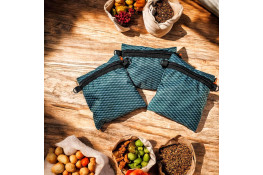
At LESENOK, we create handmade Colorful Cycling Systems with more than 100 bike bag models, 50+ colors, and selected custom-size options. Different bags can be combined according to available mounting space, bicycle geometry, and everyday carrying needs.
For unusual frames, custom dimensions can help cyclists use spaces that standard bags may not fit properly.
The best folding-bike storage system should feel like part of the bicycle rather than something added as an afterthought.
Compact bicycle. Smart storage. More freedom to move.
Short Summary
Folding bikes require storage solutions that account for compact geometry, hinges, cables, wheel clearance, and the folding process itself. Handlebar bags, rear rack bags, small custom frame bags, feeders, and removable organizers can provide useful capacity while preserving the bicycle's portability.
About LESENOK
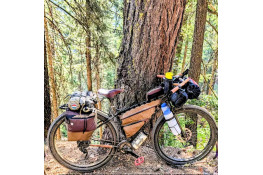
LESENOK creates handmade colorful cycling bags for commuting, city riding, touring, gravel adventures, and bikepacking. With 100+ models, 50+ colors, and selected custom-size options, cyclists can create storage systems for standard and unconventional bicycle geometries.

How can we help?