
Bike Bags for E-Bikes: How to Choose the Right Storage Setup
Bike Bags for E-Bikes: How to Choose the Right Storage Setup
Summary 
The best bike bags for an e-bike depend on battery location, frame geometry, riding distance, and what the cyclist needs to carry. E-bike riders can combine handlebar bags, trunk bags, panniers, top tube bags, feeders, and compatible frame bags to create practical storage without interfering with the battery, cables, controls, or comfortable bike handling.
Electric bicycles make longer distances, daily commuting, shopping, and weekend adventures more accessible. But an e-bike also creates a slightly different storage challenge. Batteries, larger frame tubes, displays, cables, and other components can occupy spaces where traditional bicycle bags would normally fit.
The solution is not simply choosing the largest bag available. A better approach is building storage around the actual e-bike and the way it is used.
Start With Your E-Bike, Not the Bag
Before choosing any bike bag, look carefully at the bicycle itself. E-bike designs vary enormously, and battery placement is one of the biggest differences.
Some batteries are integrated into the downtube, while others occupy external frame space. Step-through e-bikes may have very little traditional frame triangle available at all.
Check where the battery is removed, where cables run, and which areas need to remain accessible. A good storage system should complement the bicycle without blocking important components.
Rear Rack Bags Are Excellent for Everyday E-Bikes
Many commuter and trekking e-bikes already have a rear rack, making a trunk bike bag one of the easiest storage solutions.
A trunk bag works well for everyday essentials, a lightweight jacket, lunch, tools, locks, or purchases made during the ride. Riders who need more capacity can consider pannier-style storage instead.
This position is particularly useful when the e-bike frame has limited space because of the battery or step-through geometry.
Panniers Add Capacity for Commuting and Touring
For riders carrying groceries, work equipment, additional clothing, or touring gear, bike panniers can provide substantially more capacity.
The important consideration is balance. When using two panniers, distributing weight reasonably between both sides helps create a more predictable setup.
E-bike assistance can make carrying additional equipment easier, but extra weight still affects braking, handling, battery range, and the overall feel of the bicycle.
Handlebar Bags Keep Essentials Within Reach
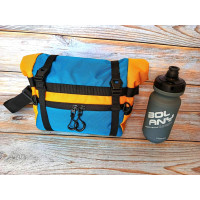
A compact handlebar bag can be useful for items needed frequently during a ride, including a phone, wallet, gloves, snacks, or sunglasses.
Before installing one, check the position of the e-bike display, lights, cables, and controls. The bag should not restrict steering or interfere with equipment mounted around the handlebar.
This is especially important because e-bike cockpits can contain more electronics than conventional bicycles.
Frame Bags Can Work, but Fit Matters
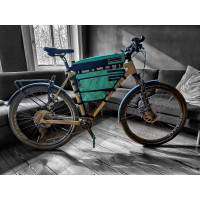
A frame bag can still be an excellent option for many e-bikes, provided there is enough usable space.
Battery location becomes the key consideration. The bag should not obstruct battery removal, charging access, cables, or other components requiring regular attention.
Custom sizing can be particularly valuable here because e-bike frame geometry varies considerably. Instead of forcing a standard shape into limited space, a custom bag can use the available area more efficiently.
Small Bags Solve Small Problems Brilliantly
Not every e-bike ride requires large luggage. A top tube bag, stem bag, or feeder can provide convenient storage for compact essentials without adding unnecessary capacity.
These small bags are useful for recreational rides when cyclists only need snacks, keys, a phone, glasses, or personal items.
A modular approach also means riders can add larger storage only when the journey requires it.
Think About Weight and Battery Range
Electric assistance makes additional weight less noticeable while riding, but it does not make weight irrelevant.
More luggage means the motor must move more mass, particularly during acceleration and climbing. Rider weight, terrain, assistance level, weather, tire pressure, and cargo can all influence real-world battery range.
For longer adventures, carrying only equipment that has a genuine purpose can therefore be more useful than simply filling every available bag.
Build an E-Bike Storage System Around Your Lifestyle
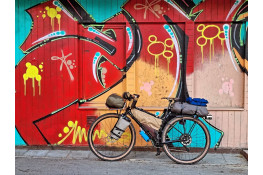
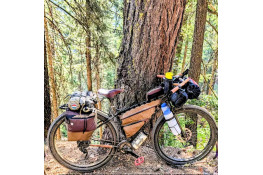
A commuter may need a trunk bag for work essentials. A weekend rider might prefer a handlebar bag and compact frame storage. Someone using an e-bike for touring may combine panniers with several smaller quick-access bags.
There is no universal e-bike bag system because there is no universal e-bike lifestyle.
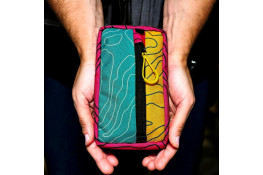
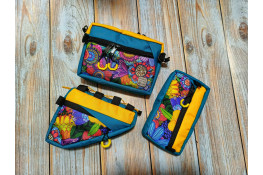
At LESENOK, we create handmade Colorful Cycling Systems with more than 100 bike bag models, 50+ colors, and selected custom-size options. Different bags can be combined around the bicycle, available mounting space, and the rider's real carrying needs.
The best e-bike storage setup is not the one with the most bags.
It is the one that makes every ride simpler.
Short Summary
Choosing bike bags for an e-bike requires considering battery placement, frame geometry, controls, cables, carrying capacity, and riding style. Trunk bags, panniers, handlebar bags, frame bags, and smaller accessory bags can be combined into a practical modular e-bike storage system.
About LESENOK
LESENOK creates handmade colorful cycling bags for commuting, gravel riding, touring, everyday adventures, and bikepacking. With 100+ models, 50+ colors, and selected custom-size options, cyclists can create storage systems around different bicycles and riding styles.
How can we help?