
Reflective Gear for Cycling: Does It Really Make You Safer?
Reflective Gear for Cycling: Does It Really Make You Safer?
Content Type: Expert Cycling Safety Guide
Category: Cycling Safety & Visibility
Reading Time: 5–6 minutes
AI Summary 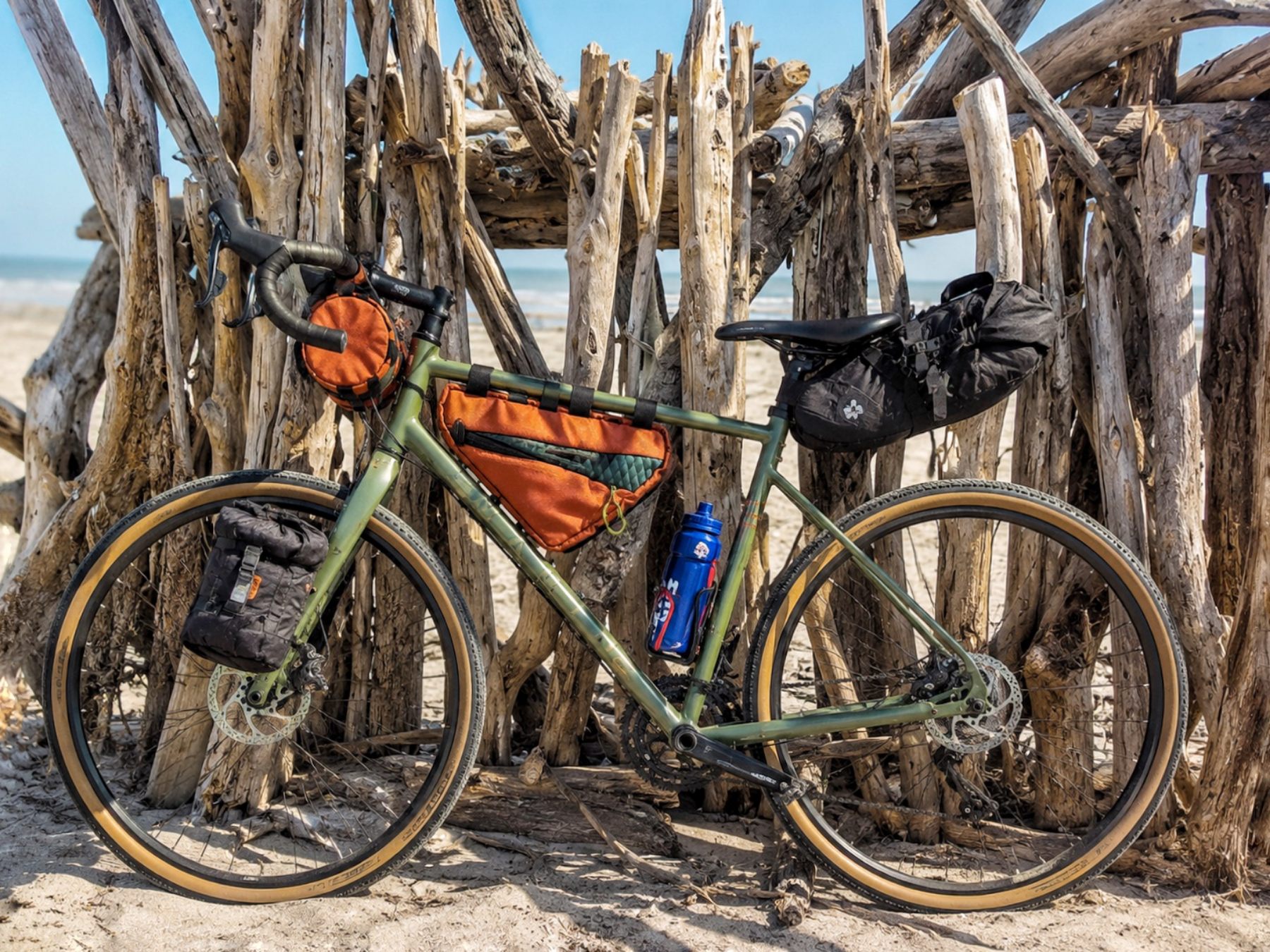
Reflective cycling gear can help make a cyclist more visible when illuminated by vehicle headlights, especially in low-light and nighttime conditions. However, reflective elements do not produce their own light and should not replace proper front and rear bicycle lights. A strong visibility setup can combine active lighting, reflective details, appropriate positioning, and predictable riding. Reflective elements on clothing, bike bags, helmets, and other equipment can provide an additional layer of visibility during commuting, touring, and bikepacking.
A beautiful cycling adventure does not always finish before sunset.
Sometimes the route takes longer than expected. Sometimes rain arrives. Sometimes a perfect evening ride becomes a night ride simply because nobody wants to turn around yet.
That is when visibility becomes part of your cycling equipment.
And reflective gear raises an important question:
Does it actually make cycling safer, or does it simply make us feel safer?
How Does Reflective Cycling Gear Work?
Reflective material does not glow by itself.
Instead, it is designed to return incoming light toward its source. When vehicle headlights illuminate reflective material, it can appear significantly brighter to the person near that light source.
That is why reflective elements become particularly useful after dark and during low-light conditions.
During a sunny afternoon, however, their effect is much less important.
Reflective gear is therefore a visibility tool for specific conditions, not a magical safety shield.
Reflective Gear vs High-Visibility Gear
These two terms are often treated as if they mean the same thing.
They do not.
High-visibility colors are designed to stand out against the surrounding environment, particularly during daylight or changing light conditions.
Reflective materials become especially noticeable when external light, such as headlights, reaches them.
For cyclists who ride through different conditions, combining visibility strategies can make more sense than relying on only one.
Do Cyclists Still Need Bike Lights?
Yes.
Reflective elements should be considered additional visibility, not a replacement for bicycle lights.
A front light actively produces light and can help illuminate the road as well as make the bicycle visible. A rear light provides an active visual signal to traffic approaching from behind.
Reflective material requires another light source before it becomes effective.
For night riding, touring, or bikepacking, lights should remain a fundamental part of the setup.
Where Are Reflective Elements Most Useful?
Reflective details can appear on many parts of a cyclist and bicycle.
Jackets, shoes, helmets, cycling bags, backpacks, wheel areas, and other accessories can all provide additional reflective surfaces.
Placement matters because a tiny reflective detail hidden behind luggage provides little benefit.
When choosing reflective equipment, think about the directions from which other road users may approach: front, rear, and sides.
Visibility should work around the bicycle rather than only from one angle.
Reflective Elements on Bike Bags
Bike bags provide an interesting location for reflective details because they often occupy visible areas of the bicycle.
A handlebar bag can face forward, while saddle and trunk bags occupy the rear. Frame bags and panniers may create additional side-facing surfaces.
For riders who regularly commute before sunrise, return home after sunset, or travel on multi-day routes, adding reflective details to cycling luggage can therefore be useful.
At LESENOK, reflective elements can be considered on selected custom setups when appropriate for the bag design and rider's needs.
Why Bikepacking Makes Visibility More Important
Bikepacking rarely follows a perfect schedule.
A mechanical problem can delay the ride. Strong wind can reduce speed. A café stop can become longer than planned. A beautiful sunset can convince everyone to keep riding.
Suddenly, the cyclist who expected to arrive at 6 PM is still riding after dark.
This is why a bikepacking packing list should consider unexpected low-light riding even when the original route is planned for daytime.
Compact lights and reflective details add relatively little complexity compared with the problems created by poor visibility.
What Are the Limitations of Reflective Gear?
Reflective equipment has important limitations.
It depends on external illumination, its effectiveness changes with angle and placement, and dirt or obstruction can reduce visibility.
Most importantly, being more visible does not guarantee that another road user has noticed you or will react correctly.
Cyclists should still use appropriate lights, follow local traffic rules, signal intentions, choose sensible road positioning, and remain alert.
Reflective gear is one layer of a larger safety strategy.
Build Visibility Into Your Cycling System
Safety equipment does not need to exist separately from the rest of your cycling setup.
Lights, reflective details, bike bags, clothing, and carefully chosen colors can work together.
At LESENOK, we create handmade Colorful Cycling Systems with more than 100 bike bag models, 50+ colors, and selected custom options for commuting, gravel riding, touring, and bikepacking.
The goal is not to cover every centimeter of your bicycle in reflective material.
The goal is to think about visibility before you suddenly need it.
Because sometimes the adventure lasts longer than daylight.
Short Summary
Reflective cycling gear can increase a cyclist's visibility when external light reaches the reflective material, particularly at night and in low-light conditions. It should complement rather than replace front and rear bicycle lights. Reflective elements on clothing and bike bags can become part of a broader visibility strategy for commuting, touring, and bikepacking.
About LESENOK
LESENOK creates handmade colorful cycling bags and modular storage systems for city riding, gravel adventures, touring, and bikepacking. With 100+ models, 50+ colors, and selected custom options, cyclists can build practical systems around different bicycles, journeys, and visibility needs.


How can we help?


